

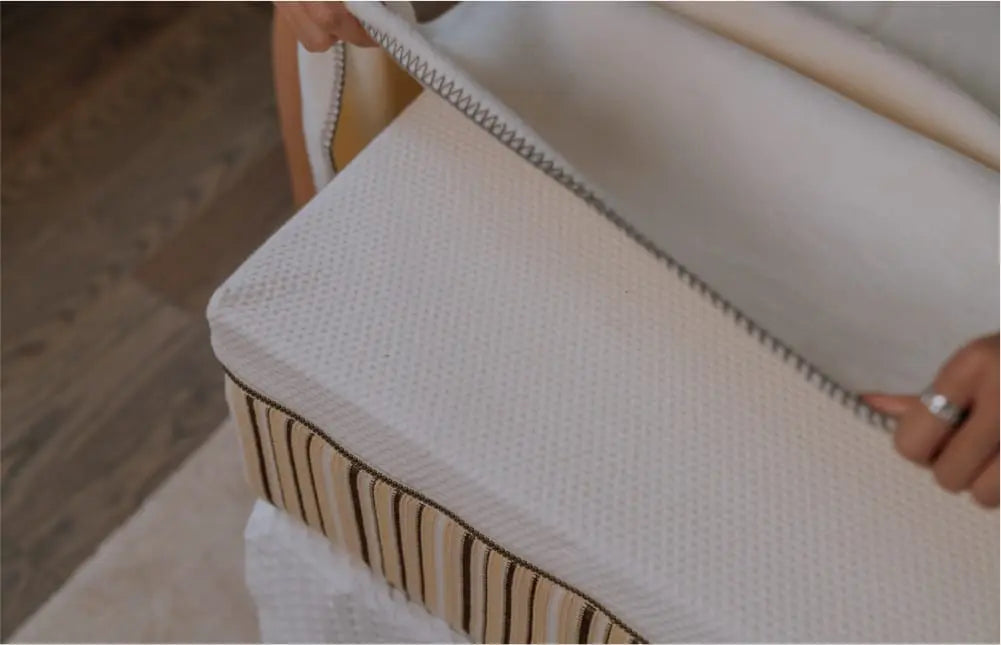



When you're investing in a new mattress, you're investing in your health, recovery, and long-term performance. During your research, you've probably encountered the term organic latex—but what does it really mean?
Latex is prized for its durability, elasticity, and ability to support healthy sleep posture. But there’s a huge difference between synthetic latex, natural latex, and certified organic latex. This guide explains what is organic latex, what latex is made of, where latex comes from, and how it compares in the discussion of latex vs non latex materials.
What Is Latex Made Of?
To understand organic latex, we first need to answer the essential question: what is latex made of?
Latex begins as a milky sap extracted from the Hevea Brasiliensis tree. This sap contains natural oils, resins, proteins, and organic compounds. It is not a synthetic material and not created in a lab. However, how it is processed determines whether the final foam remains organic or becomes blended with synthetic additives.
Expert Insight from Jack Dell’Accio, Certified Sleep Coach & CEO of Essentia:
“Many products use the term ‘natural latex’ even when they contain synthetic rubber blends. If you want truly clean sleep, certified organic latex is the only way to ensure purity and transparency.”
Where Does Latex Come From?

Latex is harvested from the rubber tree through a gentle “tapping” process—similar to collecting maple syrup. A small cut is made in the bark, and the sap flows into a collection cup.
- Sustainable: Harvesting does not damage the tree.
- Renewable: A mature rubber tree yields up to 19 lbs of latex annually.
- Eco-friendly: Rubber trees continue to absorb carbon dioxide throughout their lifespan.
The collected latex is then filtered, processed, and cured to create durable foam for mattresses and cushions.
Latex vs Non Latex: Understanding the Difference
Synthetic Latex & Polyurethane Foams
These “non-latex” foams are made from petrochemicals such as styrene and butadiene. They are inexpensive but often come with issues:
- VOC off-gassing
- Potential chemical irritants
- Shorter lifespan
- Breakdown into micro-particles

Natural Latex
Natural latex contains rubber tree sap, but many products blend it with synthetic fillers to lower cost.
Organic Latex
Organic latex is certified by GOLS (Global Organic Latex Standard) and must:
- Be grown on organic plantations
- Avoid synthetic fertilizers and pesticides
- Limit chemical inputs during processing
- Contain 95%+ certified organic raw material
Jack Dell’Accio adds:
“Most consumers don’t realize that 'natural latex' may contain more synthetic rubber than tree sap. Certified organic latex is the only material that guarantees purity from farm to final foam.”
The Benefits of an Organic Latex Mattress
Organic latex is one of the most durable and high-performing sleep materials available. Benefits include:
- Superior Support: Elastic responsiveness helps maintain spinal alignment.
- Pressure Relief: Naturally contours without trapping heat.
- Temperature Neutrality: Open-cell airflow prevents overheating.
- Longevity: High-quality organic latex can last 15–20 years without sagging.
The Essentia Difference: Beyond Latex™ Organic Foam

Essentia goes further than standard organic latex by developing its own patented Beyond Latex™ organic foam formula. This allows the material to perform better than memory foam while avoiding harmful chemical additives.
How Essentia Elevates Organic Latex
- GOLS-Certified Hevea Milk: Sourced from certified organic plantations.
- Patented Organic Formula: Includes natural plant extracts, organic essential oils, jasmine essence, and grapefruit seed extract.
- No Wool or Fiber Batting: Eliminates allergens commonly found in “organic” mattresses that rely on wool fire barriers.
- GOLS & GOTS Certified Facility: Ensures total material transparency and purity.
Taking Latex to the Next Level
Essentia's Beyond Latex™ Organic Foam also provides performance benefits not found in other latex mattresses. At Essentia, we believe true restorative, performance sleep is not about compromise; it’s about integration.
We’ve moved past the idea of a single solution and pioneered the concept of stacking benefits. This means combining the necessary elements for optimal sleep into one high-performance mattress. Essentia’s 8 Key Elements work together to create a sleep environment that actively promotes recovery, increases your time in REM and Deep Sleep, and removes the very stimulants that can pull you out of these crucial cycles. This isn’t just a theory—it’s a patented approach unique to Essentia.
Key Performance Benefits Include:
- Active Cooling
- Mold Protection
- EMF Protection Upgrade
Jack Dell’Accio explains:
“Our goal has always been to create the cleanest, highest-performing mattress possible—one that improves REM and Deep Sleep without synthetic chemicals.”
Conclusion
What is organic latex? It is the purest, most supportive, and most durable sleep material nature provides. Choosing organic latex allows you to avoid the petrochemical exposure and off-gassing associated with synthetic foams.
Essentia’s Beyond Latex™ formula takes this material even further, creating a mattress that is not just clean—but actively supportive of wellness and restorative sleep.
Organic Latex Mattress FAQ
Is organic latex better for your health?
Yes. Organic latex is free from petrochemicals, flame retardants, and VOCs, making it ideal for non-toxic, restorative sleep.
How long does an organic latex mattress last?
Usually 15–20 years due to the natural resilience of rubber tree sap.
Does organic latex sleep hot?
No. Organic latex promotes airflow and maintains temperature neutrality throughout the night.
Is latex eco-friendly?
Yes. Latex harvesting is sustainable, does not harm the tree, and organic latex is biodegradable.
What’s the difference between natural latex and organic latex?
Natural latex may contain synthetic additives. Organic latex must meet strict GOLS standards ensuring purity and chemical transparency.
Does Essentia use 100% organic latex?
Essentia uses GOLS-certified organic latex as the base of its patented Beyond Latex™ foam, developed without toxic chemical curing agents.
