



Key Takeaways
- Home-field advantage is measurable across every league, from 53.9% in MLB to 60.5% in the NBA, and sleeping in your own bed is one of the biggest factors separating a win from a loss.
- College teams show an even stronger home advantage, around 62% in both basketball and football, underscoring how much travel and unfamiliar sleep environments affect performance.
- Roughly one third of student-athletes sleep less than seven hours a night as they juggle academics, competition, and travel demands.
- The first-night effect means athletes often fall asleep more slowly and sleep more lightly in an unfamiliar room, which is why a consistent, controllable sleep setup matters on the road.
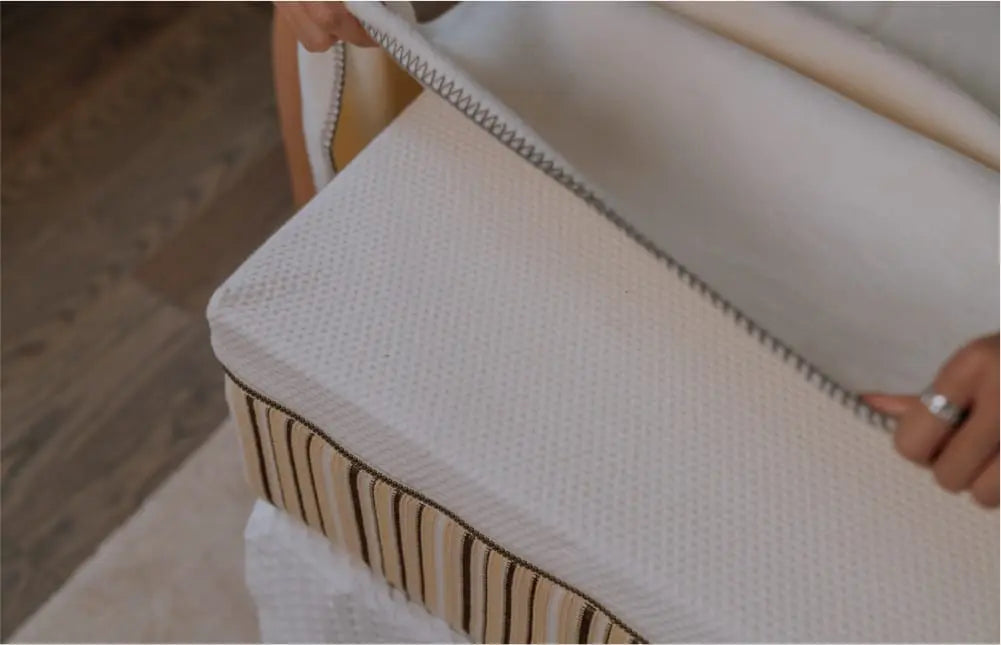
- A durable, non-toxic mattress topper in a twin XL size can recreate a familiar, clean sleep surface in dorms and hotels, supporting recovery and game-day focus.
There is nothing better than going to a live sporting event, from football, basketball, and even baseball the excitement of watching these amazing athletes perform is palpable. And no sport is more exciting to watch at times than college sports, where you get to follow players from the beginning of their career to the big leagues! The pressure on student athletes is high, they have to perform academically and on the field, and still get quality sleep.
This is never more apparent than when the team has to travel to compete. Most of the time the home team and the visitor team tend to seem equally matched with no real noticeable difference in competitive advantage. This however is the furthest thing from the truth, especially when you consider the role sleep has to play in the outcome. The odds-maker and gambling agents know the real difference is the home team winning percentage. According to an article on Freakonomics.com, the percentage of home games won for professional sports are as follows:
- MLB 53.9%
- NHL 55.7%
- NFL 57.3%
- NBA 60.5%
- MLS 69.1%
When you jump into the stats for college teams, BoydsBets compiled a database of home winning percentages by conference over 10,000 games. Looking at the 2 most popular sports, they found college basketball teams with home court advantage had an equal or greater advantage at 62.25%. College football teams also enjoy a 62.8% home-field advantage. This truly shows that no matter what level you play at, sleeping in your own bed and eating a home-cooked meal is what separates winning and losing. College and professional organizations are aware of these statistical percentages and spend lots of money and resources to provide their athletes with wellness programs to improve game-day performance and to recover from injuries quickly. The players are the face of the team and are the most significant investment in the team. Advances in sleep technology and increased awareness from experts and athletes have made sleep a top priority. LeBron James and many professional athletes mandate a minimum of 8 hours per day. Performance and recovery are the attributes they seek when discussing better sleep, especially on the road.
Professional Awareness of Sleep Quality
What we as dedicated spectators fail to realize is the time and effort it takes for both professional and collegiate athletes to travel for away games. The sheer amount of staff and support needed to get coordinated to be outside of the team’s comfort zone is impressive. While professional teams definitely have the advantage with budgets and more comfortable modes of transport in some cases over college teams, what happens once they get to their destination is the same. The only thing the player controls at this point is how they sleep at night, making any attempt to create an environment to allow them to experience deep restorative sleep. League officials are taking notice and a prime example is a notable change in recent years with the NBA’s reduction of short trips or one-game trips. While back-to-backs are here to stay, the players are now averaging 2 days of rest between trips. This recognized players needed more rest time and more rest meant better performance and health.

Sleep and College Sports
College sport is a different animal and NCAA rules present unique challenges that professional teams normally do not have to address. Student safety and wellness are the hot topic when it comes to planning away games. According to an article by the Sports Science Institute, the cause for sleep issues with college athletes is the balancing of being a student, athlete, and the travel demands of competition. The study also claims that one-third of student-athletes sleep less than 7 hours a night, with female athletes having greater numbers. In addition, travel across multiple time zones creates jet lag, unfamiliar routines can increase anxiety, and an uncomfortable sleep environment with hazardous materials can result in poor sleep. Something else to consider, unless the school is a powerhouse or perennial TOP 5, most D2 or D3 schools travel to smaller towns and cities with limited options for hotels or healthy food selection. Sometimes hotels are overbooked or not available and the fun begins for the team manager. Everything you planned is thrown out the window and it is time for plans B, C, and D. You can realize the snowball effect one event has and how it trickles down to everyone involved. Before the game starts, your mindset is in a negative place and that does not help performance and focus. In a strange twist, some colleges have decided to have their teams sleep in hotels together even for home games. The teams feel this is best to prepare, eliminate distractions, and watch game footage. However, some scientists believe this practice could be harmful to the quality of sleep. In fact, the phenomenon is called the “first-night effect” in which you can actually take longer to fall asleep, and experience more interrupted sleep in an unknown environment. Some interesting things found in this study in relation to college athletes and sleep:
- $4.91 million was spent on home-game hotels over the 93 schools studied.
- Median of $44,000 annually per team.
- University of Florida, Clemson University, Oklahoma State, and UCLA are the top spenders.
From the perspective of student-athletes, these benefits are one of the reasons to choose one school over another. As a parent, you just want what is best for your child. Will they be safe on the flight? What kind of food are they serving? What does the hotel room look like? What are they doing after practice? That seems like a lot to think about. What can you do?
College Athletes and Sleep Tips

- Avoid situations that risk sleep health. Promote good sleep habits at home, school, and away.
- Speak with coaches, team managers, and other personnel associated with your student athlete’s time at the school.
- Invest in durable and quality mattress toppers and non-toxic bedding for unfamiliar sleep environments. Look for twin XL sizes that fit most college dorms.
- Quality of sleep is important for performance and focus during game time. Use restful, calming techniques to prepare for sleep.
- Sleep Debt – Take short 20-minute naps to make up for lost sleep.
- Create a clean sleep environment to eliminate toxins and EMF waves from electronic devices and household items.
- Be conscious of preexisting conditions and prescribed medications before travel.
Frequently Asked Questions
Does sleep really affect athletic performance?
Yes; sleep drives recovery, focus, and reaction time, and the measurable home-field advantage across pro and college sports shows how much a familiar, quality sleep environment matters.
Why do athletes perform worse during away games?
Travel disrupts routine and time zones, unfamiliar rooms trigger the first-night effect of lighter, delayed sleep, and limited hotel and food options add stress that hurts focus.
How much sleep do athletes need?
Many elite athletes, including LeBron James, mandate a minimum of eight hours a night, and getting enough sleep is central to recovery and performance.
How can student-athletes sleep better on the road?
Promote consistent sleep habits, bring a durable non-toxic topper and bedding in a twin XL size, take short 20-minute naps to offset sleep debt, and reduce toxins and EMFs in the room.
What is the first-night effect?
It is the tendency to take longer to fall asleep and experience more interrupted sleep in an unfamiliar environment, a common challenge for athletes staying in hotels.
